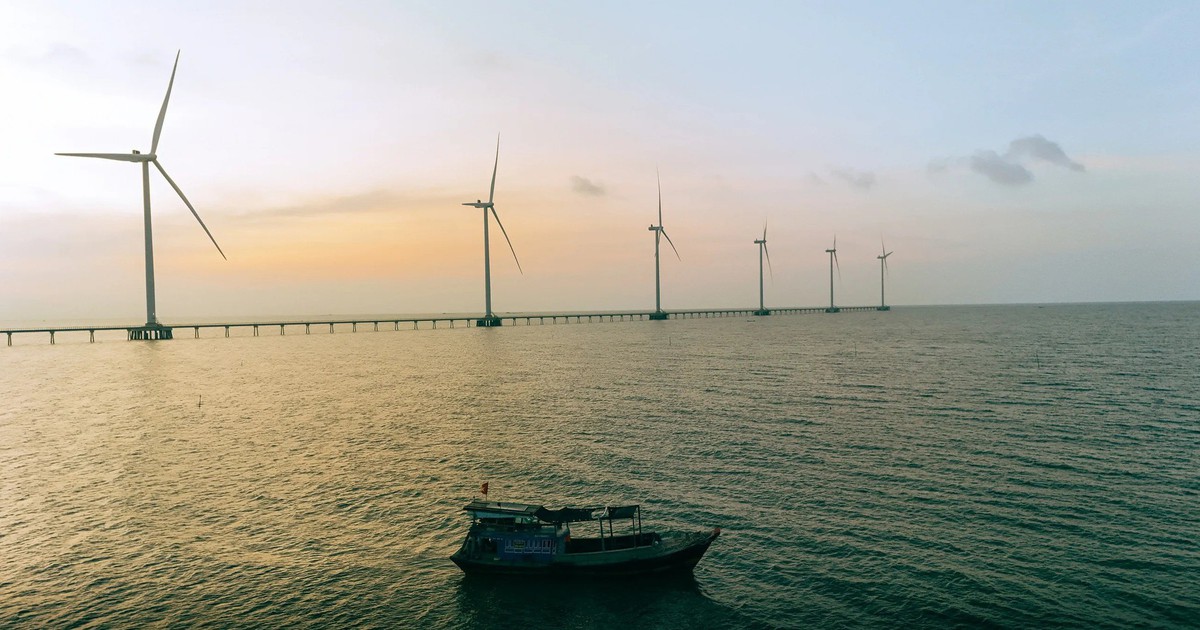
Vinh Long is accelerating its goal of becoming a renewable energy hub in the Mekong Delta. The Thanh Niên article on 25 July says the province has 15 operating wind projects with 650.5 MW, two operating solar projects with 189.3 MW, 18 more wind projects totaling 1,243.75 MW under investment procedures, and three solar projects totaling 150 MW in the survey stage. The province also mentions BESS, green hydrogen, and a proposal to complete incentives for household rooftop solar.
What matters for households
The most important message is not only the scale of provincial projects, but that rooftop PV for households is now part of the renewable-energy conversation. For townhouses, villas, small workshops, or daytime businesses with stable load, rooftop PV remains the most direct tool for lowering electricity bills. As local rules and grid planning become clearer, household decisions will depend less on rumor and more on actual usage data.
Rooftop PV only creates value when it matches demand
If most electricity is used during the day — air conditioning, water pumping, laundry, working from home, or EV charging — rooftop PV can immediately reduce grid purchases. If demand is concentrated in the evening, direct savings are smaller and battery storage (BESS) should only be treated as a support layer when the gap between daytime solar output and evening load is large enough to justify the added cost.
From this angle, Vinh Long is not just a local story. It reflects a shift from simply adding generation to coordinating generation, grid, and load. Households that understand these three factors will be better positioned to choose PV size, roof angle, self-consumption level, and electricity-use timing.
What should households check first?
- 1) The last 30 days of bills: identify average consumption and what can be shifted into the daytime.
- 2) Usage timing: if consumption is high in the afternoon and during the day, PV is more effective. If most demand is after 6 p.m., ESS or load-shifting becomes more relevant.
- 3) Roof and shading: roof orientation, usable area, and nearby shade determine real output.
- 4) Grid connection and local rules: as regulations become clearer, households should see PV as a long-term bill-reduction system, not a one-time purchase.
From a PV perspective, ESS stays secondary
BESS can help households use solar power in the evening, but it should not become the center of the buying decision. If the main goal is bill savings, the first priority is a suitable roof, enough daytime load, and a system designed around self-consumption. ESS should only enter the conversation when the evening-load case is clear or when outage resilience is a real need.
Assumptions: (1) the household can legally install rooftop PV under current rules; (2) self-consumption share is the main driver of savings; (3) actual savings depend on tariffs, usage habits, and installation quality.
If you are considering rooftop PV, start with your bill data and daily usage pattern before talking about system size or batteries. That keeps PV at the center of the electricity-bill-saving equation, which is exactly the direction Vinh Long's article points toward.
Original article: Vinh Long accelerates its goal of becoming the Mekong Delta's renewable-energy hub — Thanh Niên (25 Jul 2026)