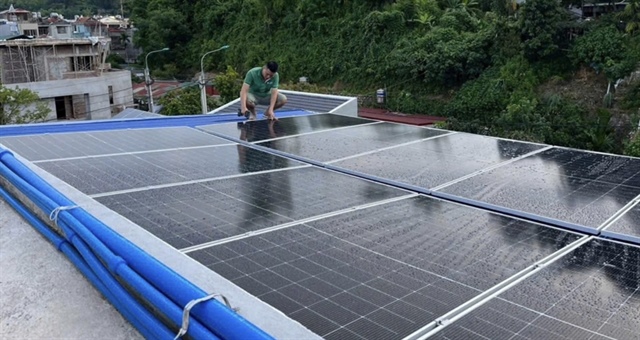
Recent articles on Vietstock/VietNamNet recorded several household and small-business cases where rooftop solar significantly reduced electricity purchased from the grid. One Sơn La household reportedly used about 600 kWh per month and reduced electricity cost by an average of 30-40% after installing rooftop solar. Another Hanoi household saw monthly grid consumption fall from 812 kWh to 444 kWh, or about 45%.
The key question is not only how many kWp to install
For a home, bill savings depend first on how much solar power is consumed directly inside the house. Daytime air-conditioning, pumps, refrigerators, work-from-home equipment, or small business loads can improve self-consumption. If most demand is at night, a grid-tied PV system may generate daytime energy but may not optimize the bill unless usage or storage is matched properly.
What Vietnamese homeowners should check
- Review 6-12 months of bills to identify peak months, tariff blocks, and hot-season load growth.
- Estimate daytime consumption before deciding PV capacity.
- Assess the roof: sun direction, shading, usable area, waterproofing, and structure.
- Treat battery storage as a PV-supporting option only when evening demand or backup needs are clear.
SMARTGEN reads these cases as a signal that PV works best when system design follows real consumption behavior. The first target is to reduce purchased kWh in expensive usage periods through direct daytime self-consumption. Hybrid or BESS options should be considered only after checking surplus daytime energy and essential backup needs.
Reference source: Vietstock / VietNamNet.